
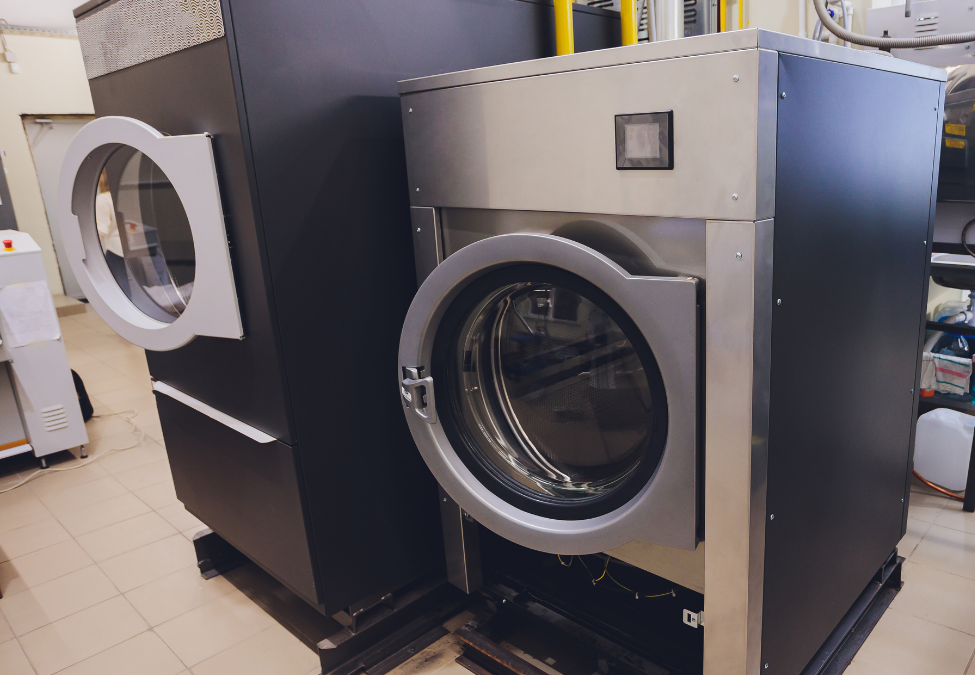
Price is usually one of the first questions a dry cleaning business owner asks when looking at equipment. That makes sense. A dry cleaning machine is a major purchase, and owners need to know whether the investment fits the budget. But anyone who has managed daily garment care work knows the machine invoice is only one part of the cost.
The real expense shows up in how the equipment affects the full workday. A machine can influence spotting, cleaning, drying, pressing, finishing, order assembly, customer pickup times, delivery routes, service calls, parts, utilities, and labor. For a small Mom-and-Pop dry cleaner, one equipment issue can affect the entire day. For a larger dry cleaning business, hotel, laundromat, assisted living facility, or commercial account, the same issue can affect a wider schedule.
That is why comparing dry cleaning machines for sale should involve more than asking which model has the lowest upfront price. A machine that looks affordable at first can become expensive if it slows the workflow, creates uneven batches for pressing and finishing, needs frequent service, lacks parts support, or does not match the amount of work moving through the business.
A better cost discussion starts with how the equipment will perform in real daily operations, not just what it costs on paper.
Upfront Price Is Only One Part of the Budget
The initial purchase price matters, especially when a business is working within a clear equipment budget. However, the lowest purchase price is not always the most practical long-term choice. A dry cleaning machine becomes part of the business’s daily routine. It has to support the volume, timing, and reliability expected from the operation.
A smaller machine may cost less upfront, but if it forces the operator to run extra loads every day, the business may pay for that decision through added labor and longer operating hours. Pressing staff may wait for work in the morning and then get too much at once later in the day. Finished orders may sit incomplete because one garment is still waiting to be cleaned. A delivery driver may be ready to leave while the last pieces from a delayed load are still being finished.
A larger or better-equipped machine may require more investment, but it may reduce bottlenecks when the business regularly handles heavier volume. That matters for dry cleaners with pickup and delivery routes, hotels with uniform needs, laundromats adding garment care services, assisted living facilities processing resident garments, and wardrobe departments working against tight schedules.
Owners also need to account for how the machine fits into the existing space. Utility requirements, ventilation, refrigeration, steam, air, electrical service, installation planning, operator access, and service clearance can all affect the final cost. A machine that appears affordable but requires unexpected adjustments to the equipment area can quickly change the budget after the purchase decision has already been made.
Working with an experienced equipment supplier like Gulf Coast Equipment Sales can help businesses evaluate price in relation to business fit, not just equipment availability.
Capacity and Daily Output Affect Cost
Capacity plays a major role in the true cost of dry cleaning equipment. A machine that cannot keep up with daily demand creates hidden expenses through extra labor, longer operating hours, delayed finishing work, and reduced scheduling flexibility. Even if the machine itself is less expensive, the business may pay more over time through slower output.
In a working dry cleaning business, capacity is not just about pounds per load. It is about how garments move through the day. If the dry cleaning machine falls behind, the spotting area may get crowded, pressing staff may stand by waiting for garments, and finishing may receive work in uneven waves. Dryers, finishing equipment, and presses all depend on garments arriving at a steady pace.
For example, a dry cleaner handling commercial accounts or heavy retail traffic may need equipment that keeps work moving without constant reshuffling. If loads stack up during peak periods, staff may spend more time organizing carts, changing priorities, or holding partial orders. Those labor hours may not appear on the equipment invoice, but they still affect the business.
On the other hand, buying more capacity than the business needs can also be inefficient. A machine should fit current volume while allowing room for realistic growth. A business does not benefit from oversized equipment if the boiler, chiller, air compressor, dryers, finishing equipment, or workspace cannot support it properly.
UNION equipment options include different models and capacities, allowing businesses to compare machines based on actual workload. A cost-conscious decision is not simply about choosing the least expensive unit. It is about selecting the machine that helps the business produce work at the right pace without creating unnecessary waste, downtime, or overinvestment.
Service and Parts Support Should Be Budgeted Early
Equipment cost does not stop after installation. Dry cleaning machines need service, maintenance, and parts support over time. If those needs are not considered early, a business may underestimate the real cost of ownership.
Parts availability is especially important for businesses that depend on daily garment care work. When a machine needs a pump, valve, gasket, control component, filter part, or refrigeration-related service, delayed access can affect the entire schedule. A small repair can turn into a larger operational issue if the business has to wait too long for the right part or the right technician.
That waiting time can affect customer orders, delivery schedules, hotel work, staff planning, and the use of other equipment. The dryer may sit unused while garments wait to be cleaned. Presses and finishing equipment may run below capacity early in the day and then become overloaded later. Orders may remain incomplete because one piece is still tied up in delayed processing.
Service knowledge also matters. A technician who understands dry cleaning equipment and the daily realities of garment care can often identify issues more efficiently. That matters because the problem is not always isolated to the machine itself. Steam pressure, compressed air, refrigeration, solvent management, ventilation, electrical service, and operator settings can all influence performance.
Gulf Coast Equipment Sales provides sales, parts, and service support for UNION machines, which is valuable for businesses that want help beyond the purchase itself. Factory-trained service support can also help protect the long-term value of the equipment. Regular maintenance, proper troubleshooting, and knowledgeable repair work can reduce avoidable downtime.
For decision-makers, service should not be treated as an afterthought. It should be part of the financial planning process from the beginning, especially for businesses that depend on consistent daily output.
Financing Can Help Businesses Plan More Strategically
A dry cleaning machine is a major equipment investment, and many businesses need a practical way to manage that purchase. Financing can help owners evaluate better-fit equipment without placing all of the pressure on upfront cash flow. This can be useful when the business needs to replace aging equipment, add capacity, or reduce workflow problems before they become more disruptive.
Financing should still be approached with discipline. The goal is not to buy more machine than the business needs. The goal is to make the right equipment decision easier to manage financially. A dry cleaning owner should compare the payment structure with the expected operational benefit.
If a machine helps reduce delays, feed pressing and finishing more consistently, support route schedules, lower recurring service pressure, or improve daily output, the investment may be easier to justify. A business that saves staff time, avoids repeated interruptions, and delivers more predictable turnaround may see value beyond the initial purchase price.
A financing conversation should include practical business questions. What equipment is needed now? What volume is realistic over the next few years? How often is the current machine causing delays? Are service issues becoming more frequent? Is the business taking on more commercial work, hotel accounts, route customers, or onsite garment care? Will the existing utilities and supporting equipment be able to support the planned installation?
For Florida businesses evaluating UNION equipment, financing availability can make it easier to compare options across different price points. The best approach is to view financing as one part of the planning process, not as a reason to overlook equipment fit, service needs, or long-term operating costs.
Lower Cost Can Become Expensive if Fit Is Wrong
One of the most common equipment budgeting mistakes is focusing too heavily on the lowest upfront cost. A lower-cost machine may be the right choice in some situations, but only if it fits the operation. If the machine is too small, too slow, difficult to service, or poorly matched to the workspace, the business may pay for that decision every workday.
A poor equipment fit can affect staff efficiency quickly. Operators may need to run more loads, adjust workflow manually, hold garments for later cycles, or spend extra time managing delays. Pressing staff may get work inconsistently. The finishing area may become crowded. Orders may sit incomplete. Staff may start building workarounds that feel normal but quietly add labor to the day.
Fit also affects garment quality. If the machine does not support consistent processing, the spotting area may see more rework. Drying and finishing may become less predictable. Customer service pressure can rise when garments are late, unevenly finished, or returned with issues that should have been corrected earlier in the process.
A strong purchasing decision should account for the full business environment. This includes the type of garments being processed, expected load volume, operator experience, available space, solvent preferences, filtration needs, service access, utility support, parts availability, and how the machine will work with the rest of the equipment.
UNION dry cleaning machines include alternative solvent machines, perc machines, steam cleaning equipment, dryers, and other production options. That range gives businesses the ability to compare equipment based on application instead of price alone. The right cost decision is the one that supports dependable daily work, not just a lower invoice.
How to Compare Equipment Cost More Clearly
A practical equipment comparison should begin with the business’s daily challenges. If the main concern is downtime, service access and parts support may matter most. If the concern is volume, capacity and cycle efficiency should be prioritized. If space is limited, machine footprint and workflow planning should be considered closely. If staff members need easier operation, control features and repeatable settings may be important.
Decision-makers should also compare the cost of keeping the current machine. An older machine may seem less expensive because it is already paid for, but repeated repairs, slower output, uneven batch flow, and staff workarounds may tell a different story. Replacement does not always make sense immediately, but it should be evaluated when existing equipment begins affecting the whole business.
A clear cost comparison may include upfront purchase price, installation considerations, financing options, production capacity, utility requirements, service needs, parts availability, expected maintenance, and potential workflow improvement. Owners should also consider whether the boiler, chiller, air compressor, dryers, presses, finishing equipment, spotting area, conveyors, and service access will support the new setup properly.
Looking at these factors together helps prevent a narrow decision based only on price. Many companies notice that the better investment is not always the cheapest machine. It is the equipment that helps the business operate with fewer interruptions, better workflow, steadier quality, and more dependable support over time.
Why the Right Supplier Matters in Cost Planning
Choosing a dry cleaning machine is easier when the supplier understands more than the model number. Business owners need practical guidance from people who understand equipment, installation, service, parts, utilities, and how dry cleaning work actually moves through the day.
That support is especially helpful for smaller dry cleaners that may not have a large internal maintenance team. A Mom-and-Pop shop may need clear answers about whether a machine fits the space, what utilities are required, how service will be handled, and whether the equipment can support the amount of work the business expects to process.
Larger businesses may need a different level of planning, especially when handling commercial accounts, multiple routes, hotel work, or steady high-volume demand. In both cases, the right equipment decision should match real operating needs.
Gulf Coast Equipment Sales works with dry cleaning businesses large and small, helping owners evaluate dry cleaning equipment, commercial laundry equipment, parts, and service support. When equipment cost is reviewed through that full picture, the decision becomes less about simply buying a machine and more about choosing the right long-term support for the business.
Equipment cost planning is easier when the conversation includes price, capacity, financing, service support, parts access, workspace fit, utility needs, and long-term business demands. Gulf Coast Equipment Sales can help businesses compare UNION dry cleaning equipment options based on how the machine will support real daily operations.
To review practical equipment options for your business, speak with Gulf Coast Equipment Sales about UNION machines.
FAQ
What affects the cost of a commercial dry cleaning machine?
The cost can be affected by machine type, capacity, installation needs, solvent system, filtration features, service requirements, parts availability, financing options, utility needs, and how the machine fits into the business workflow.
Is the lowest-priced dry cleaning machine always the best choice?
Not always. A lower-priced machine may cost more over time if it does not fit daily volume, causes delays, requires frequent service, lacks reliable parts support, or creates bottlenecks for pressing, finishing, and order assembly.
Should financing be considered when buying dry cleaning equipment?
Financing may help businesses manage a major equipment purchase while selecting a machine that better fits their daily needs, available space, and long-term operating goals.
Why should service support be part of equipment cost planning?
Service support matters because maintenance, troubleshooting, parts access, and technician experience can affect downtime, daily consistency, garment quality, and the long-term value of the machine.