
Commercial Laundry Equipment Sales for Florida Businesses
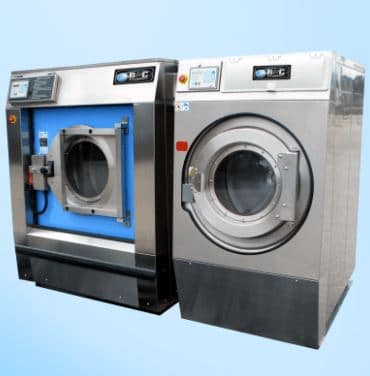
Commercial laundry equipment affects how efficiently a facility receives, washes, dries, finishes, folds, and stages linen or other washable goods. For Florida businesses planning a new laundry operation or replacing existing equipment, the right decision depends on more than choosing an individual washer or dryer.
Production volume, workflow, utility availability, facility space, maintenance access, equipment reliability, and future growth all influence the final equipment plan.
Gulf Coast Equipment Sales provides commercial and industrial equipment sales support for businesses in Florida. A practical equipment plan starts with the operation itself: what is being processed, how much work moves through the facility, where delays occur, and what the business expects from the system over time.
Start With the Laundry Operation
Commercial laundry equipment works as part of a production sequence. Depending on the facility, that sequence may include receiving or sorting, washing, drying, finishing, folding, staging, and preparing clean items for their next use.
Because each stage affects the next, selecting equipment without reviewing the complete process can create imbalances. A facility may add wash capacity but still struggle with output if drying or finishing cannot keep pace. The same issue can occur when finishing capacity exceeds the amount of work arriving from earlier stages.
Before selecting equipment, operators should review questions such as:
- How much material is processed during a normal production period?
- Which stages regularly slow the workflow?
- Does work accumulate between washing, drying, or finishing?
- Are employees waiting for equipment to become available?
- How much floor space is available for current and future equipment?
- Can the building support the utility requirements of the planned equipment?
- Is production expected to increase?
These questions help identify whether the operation needs replacement equipment, added capacity, a different equipment mix, or a better layout.
Planning from the operational level also reduces the risk of solving one problem while creating another elsewhere in the facility.
Match Capacity to Production Requirements
Capacity should be evaluated in the context of the entire laundry operation. A larger machine does not automatically produce a better result if the surrounding equipment and workflow cannot support it.
Commercial washers and dryers should be considered together. Their practical relationship depends on the type and amount of material being processed, the production schedule, and what happens before and after those stages.
Finishing equipment also becomes part of the capacity discussion when a facility processes sheets, table linens, uniforms, towels, garments, or other goods that require additional handling after washing and drying.
Production is not always consistent throughout the week or year. Hotels, hospitality facilities, institutional operations, commercial laundries, and other businesses may experience changing workloads based on occupancy, customer demand, operating schedules, or business growth.
Equipment planning should therefore consider normal production as well as realistic periods of heavier use.
The goal is not simply to install the largest available machines. It is to select equipment that works together and supports the amount of work the facility needs to complete.
Plan the Workflow and Facility Layout
Equipment placement influences how efficiently employees and materials move through a laundry facility. Adequate room for a machine is only one part of the planning process.
Operators should consider the path that soiled goods take into the wash area and the path clean goods take through drying, finishing, folding, and staging. Unnecessary movement between these areas can add handling and make production harder to manage.
Layout planning should account for:
- Receiving and sorting areas
- Washer and dryer placement
- Finishing and folding areas
- Clean-linen or finished-goods staging
- Employee movement
- Utility connections
- Access for maintenance and service
- Space for possible future changes
Existing buildings may create fixed limitations, including doorways, walls, utility locations, drainage, ventilation routes, and available floor area. These conditions should be reviewed before equipment is finalized.
Facilities using presses or other finishing equipment should also consider how those machines fit into the production sequence. Gulf Coast Equipment Sales provides additional information about laundry presses for operations reviewing finishing equipment as part of a broader laundry setup.
Review Utilities Before Finalizing Equipment
Commercial laundry equipment depends on the infrastructure around it. Electrical service, water, drainage, gas, steam, ventilation, and other requirements may vary according to equipment type and facility.
These conditions should be reviewed early rather than after equipment has already been selected. A machine that meets a production goal still has to operate within the physical and utility limits of the building.
Utility planning can also affect future equipment decisions. If a business expects production to grow, understanding the existing infrastructure can help identify whether later equipment changes may require additional facility work.
Some laundry and finishing operations may also rely on steam-supported equipment. In those facilities, boiler and steam-system requirements should be reviewed alongside the equipment they support so the complete production environment is considered.
The appropriate requirements should always be confirmed using the specifications and guidance for the equipment being evaluated rather than relying on generalized assumptions.
Build Reliability and Maintenance Into the Plan
Commercial laundry operations depend on equipment being available when production is scheduled. Reliability and maintenance access should therefore be considered during equipment selection and facility planning.
Machines need appropriate surrounding access for inspection, maintenance, and service. Equipment placement that makes routine access difficult can create unnecessary complications later.
Maintenance planning should follow the applicable manufacturer’s guidance and the actual operating conditions of the facility. A universal maintenance interval should not be assumed because equipment type, workload, manufacturer requirements, and operating conditions can differ.
Existing equipment should also be reviewed according to condition and operational performance rather than age alone.
Recurring interruptions, changing production demands, maintenance concerns, or difficulty supporting the current workflow may indicate that an equipment review is appropriate. That review can help determine whether maintenance, replacement, added equipment, or another operational change makes the most sense.
B&C Technologies in Commercial Laundry Equipment Planning
B&C Technologies supplies commercial and industrial laundry equipment, including washer-extractors, dryers, flatwork ironers, and feeding and folding equipment.
Those equipment categories can serve different parts of a laundry operation, but selection should still begin with the facility’s production requirements.
A washer or dryer needs to fit the amount and type of work being processed. Flatwork equipment should be considered in relation to the volume and type of linen reaching the finishing stage. Feeding and folding equipment also needs to fit the larger handling process rather than being treated as an isolated machine.
The relationship between equipment categories becomes especially important as production increases. Adding capacity in one area without considering the rest of the process can move a production constraint rather than eliminate it.
For facilities evaluating finishing and other laundry-related equipment, Gulf Coast Equipment Sales also provides information on its Forenta Commercial Laundry page.
Plan for Future Growth Without Overbuying
Businesses often need equipment to serve them through changing production conditions. A hotel may add rooms, a commercial laundry may gain accounts, or another facility may process more material than it does today.
Future planning does not mean automatically buying the largest equipment available. It means understanding whether the current plan leaves reasonable options for growth.
A facility may need to consider:
- Whether additional equipment could fit later
- Whether available utilities can support future changes
- Whether the current workflow can handle higher volume
- Whether one stage is likely to become a future bottleneck
- Whether access will remain practical as the facility changes
- Whether equipment can be replaced or added without creating unnecessary operational complications
These considerations help businesses make equipment decisions with both present requirements and realistic growth in mind.
The objective is to create a production environment that fits today’s workload without ignoring changes the facility can reasonably anticipate.
Commercial Laundry Equipment for Florida Businesses
Florida businesses evaluating commercial laundry equipment can have very different operating requirements depending on their industry, facility size, production schedule, and the type of goods being processed.
Hotels and hospitality properties may need to process large volumes of sheets, towels, and other linens on a recurring schedule. Commercial laundry operations may handle varying customer loads. Institutional facilities may have their own production schedules, staffing conditions, and space limitations.
Because those environments differ, equipment selection should be based on the individual facility rather than a single standard configuration.
The planning process should establish what the operation needs to process, how material moves through the building, what utilities are available, where production constraints exist, and whether the business expects those requirements to change.
That information provides a stronger basis for comparing commercial washers and dryers, finishing equipment, flatwork systems, and other laundry equipment.
Gulf Coast Equipment Sales is based in Lakeland, Florida. Businesses reviewing new equipment, replacement equipment, or changes to their laundry production capacity can contact Gulf Coast Equipment Sales to discuss their facility and equipment requirements.
Frequently Asked Questions
What should a business consider before buying commercial laundry equipment?
Review production volume, workflow, available utilities, facility space, maintenance access, equipment condition, staffing needs, and expected growth. Equipment should be selected according to how the complete laundry operation functions rather than by evaluating a single machine in isolation.
Should commercial washers and dryers be planned together?
Yes. Washers and dryers operate within the same production flow, so their capacity and placement should be considered together. The goal is to avoid creating a situation where one stage regularly restricts the next.
Does a larger commercial laundry machine always increase production?
No. Overall production depends on the complete process. Additional capacity at one stage may have limited value if drying, finishing, folding, utilities, staffing, or material handling becomes the next constraint.
When should a business consider replacing commercial laundry equipment?
Replacement may be worth evaluating when equipment condition, recurring interruptions, maintenance concerns, changing production needs, or workflow limitations make it difficult for the existing setup to support the operation. Age alone should not determine the decision.
Why should future growth be considered when selecting laundry equipment?
Commercial laundry equipment may remain in use while production requirements change. Reviewing space, utilities, workflow, and possible future bottlenecks can help a business choose equipment that supports current needs without ignoring realistic growth.