
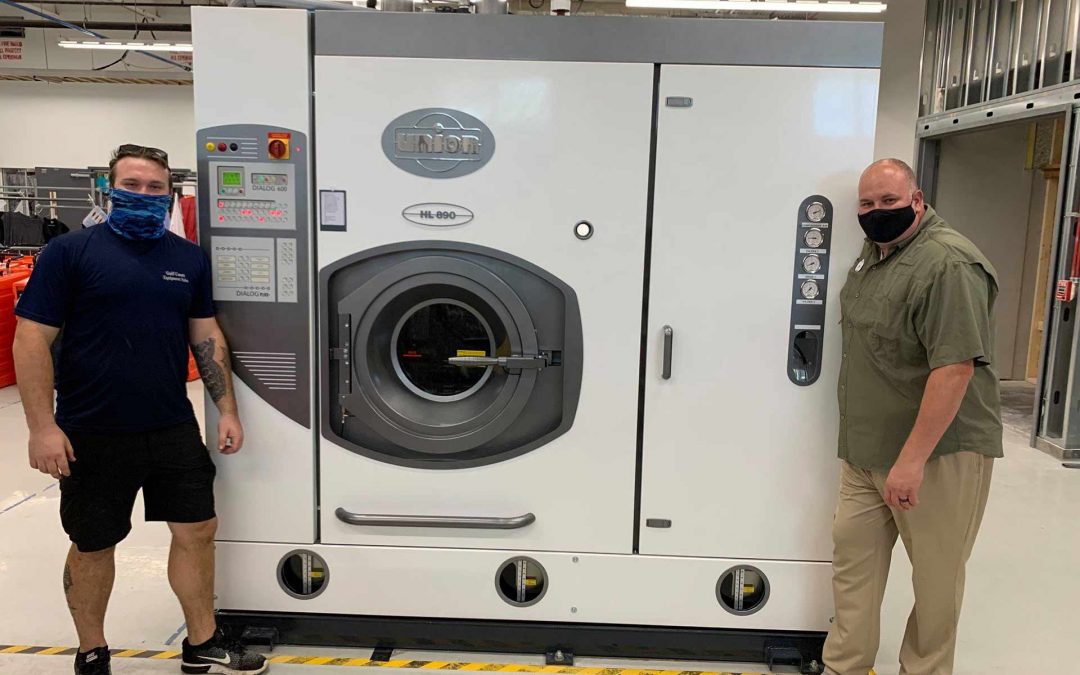
A machine can look right on a spec sheet but still create problems if it does not match the business’s volume, utility setup, operator skill level, solvent preference, space, and daily rhythm. This matters for smaller dry cleaning businesses just as much as it does for larger dry cleaning businesses, hotels, laundromats, assisted living facilities, and wardrobe departments.
When comparing dry cleaning machines for sale, it helps to look past the nameplate and ask how each option will affect daily operations. A dry cleaning machine does not work in isolation. It depends on boilers, chillers, presses, and finishing equipment, and the staff moving garments through the business.
UNION dry cleaning equipment is often considered by businesses that need dependable equipment and support after the sale, but the best decision should always be based on how the machine performs in real daily use.
Comparing Equipment by Business Needs
The first comparison should always be practical fit. A machine that works well for a small retail dry cleaner may not be the right choice for a hotel, assisted living facility, laundromat, wardrobe department, or larger dry cleaning operation. Volume, load type, turnaround expectations, staffing, utility capacity, and finishing flow all affect what kind of machine makes sense.
A small counter-service dry cleaner may need steady output for mixed garments throughout the day. A hotel may need predictable uniform processing before shift changes. An assisted living facility may focus on resident garments and dependable turnaround. A wardrobe department may need consistency because garments are tied to schedules, events, or production needs. In each case, the dry cleaning machine has to support the work moving behind it.
The wrong machine can create issues that show up outside the cleaning area. If the machine is too small, operators may run extra loads and keep pressing staff waiting. If it is too large for the actual volume, the business may spend more than necessary on equipment, utilities, and floor space. If cycle times are inconsistent, garments may arrive at pressing and finishing in waves instead of a steady flow.
UNION equipment gives businesses multiple machine categories to consider, including alternative solvent machines, perc machines, steam cleaning equipment, dryers, and other equipment options. That range matters because not every business needs the same capacity or configuration.
The best comparison is not simply brand against brand. It is machine capability against the actual work the business handles every day.
Comparing Service and Parts Support
Service support can separate a good equipment decision from a frustrating one. A dry cleaning machine becomes part of the daily routine, which means downtime can quickly affect orders, staffing, finishing schedules, delivery routes, and customer service. When comparing equipment options, the support behind the machine should carry real weight.
In a dry cleaning business, a machine problem rarely affects only one area. If the dry cleaning machine is down, the dryer may sit unused. Pressing staff may wait for work. The spotting area may hold garments that need to be recleaned. Orders may remain incomplete because one piece is still tied up in the cleaning process. A small part issue can become a larger business issue if the right support is not available.
UNION equipment sold through Gulf Coast Equipment Sales is supported by sales, parts, and service knowledge. That matters for businesses that do not want to be left searching for help after installation. Having access to a supplier that understands the equipment can make troubleshooting, maintenance planning, and parts requests more manageable.
Other machines may appear competitive at the time of purchase, but decision-makers should consider how support will work months or years later. Are parts available? Is service knowledge accessible? Can the supplier help identify the right component or machine issue? Does the service team understand how the dry cleaning machine interacts with steam, air, refrigeration, ventilation, solvent management, and operator settings?
For dry cleaning owners, these are not small details. A machine with limited support may cause longer downtime when something goes wrong. A machine backed by practical service and parts access can help the business keep garments moving with more confidence.
Comparing Filtration and Operating Features
Filtration, controls, and operating features can affect both garment quality and staff efficiency. In dry cleaning businesses, consistent results depend on more than machine size. The system must support proper processing, solvent management, program control, and dependable operation across different load types.
Owners and operators often notice quality problems in other parts of the business first. The spotter may see more items coming back for extra work. Pressing staff may notice garments that do not finish as cleanly or consistently. Finished orders may require more inspection before they can be bagged and prepared for pickup or delivery. When that happens, the issue may trace back to filtration, solvent condition, machine programming, load handling, or maintenance.
Some UNION models include advanced control features that help operators save specific settings and use repeatable programs. This can be valuable for businesses processing varied garments or running multiple operators across different shifts. When staff do not have to manually adjust settings every time, the workflow can become easier to manage.
Filtration is another important point of comparison. Machines with strong filtration support can help maintain cleaner solvent and reduce avoidable quality problems. For businesses processing frequent loads, filtration features may also reduce rework and help keep daily output more consistent.
When comparing dry cleaning machines, owners should not focus only on whether the machine runs. They should compare how easy it is to operate, how well it supports repeatable results, and how its features fit the daily workflow. A machine with better operating support may reduce rework, staff confusion, and avoidable slowdowns.
Comparing Traditional and Alternative Solvent Options
Another important comparison involves solvent approach. Some businesses may still evaluate traditional perc machines, while others may prefer alternative solvent machines depending on their operation, requirements, preferences, and long-term plans. The right choice depends on the business, cleaning needs, service environment, and staff experience.
The solvent decision should not be made in isolation. A dry cleaning owner also has to think about machine size, filtration, maintenance needs, drying performance, operator training, local requirements, utility support, and how the machine will fit into the daily schedule. A machine may use the preferred solvent type but still be a poor fit if the capacity, service access, or workflow does not match the business.
For example, a higher-volume operation may care most about predictable turnaround and steady output. A smaller dry cleaner may prioritize footprint and ease of operation. A laundromat adding garment care services may need a system that is practical for staff to learn and maintain. A business replacing older equipment may want continuity while still improving reliability and support.
UNION offers both traditional and alternative solvent equipment options, giving businesses more flexibility when reviewing their setup. This matters because one business may prioritize familiarity and continuity, while another may want a system that better aligns with newer operating preferences or space goals.
The best comparison is practical. What does the business process? How often does the machine run? What level of staff training is realistic? What type of service support will be needed over time? These questions help narrow the equipment choice in a way that supports both daily use and long-term planning.
Comparing New Equipment Against Used or Aging Machines
Many businesses compare new equipment against their current machine or a used option. This can be a reasonable part of the decision-making process, especially when budget is a concern. However, the comparison should include operating risk, service history, parts access, capacity, utility needs, and expected reliability.
An existing machine may seem inexpensive because it is already paid for, but it may be costing the business through downtime, slower cycles, inconsistent results, or extra staff workarounds. If operators are constantly changing load order, delaying finishing, holding partial orders, or calling for service, the machine is not really free. It is costing the business in labor, time, and lost control.
A used machine may also appear attractive upfront, but decision-makers should ask practical questions before committing. What is the service history? Are parts available? Who will support it? Does it match the business’s utilities? Will it work with the existing boiler, chiller, air compressor, dryer, presses, and finishing layout? Is there enough service clearance? Will it support the type of garments and volume the business actually processes?
New UNION dry cleaning equipment may provide a clearer path for businesses that want a dependable machine matched to current needs. It can also help owners evaluate available models, features, and service support with fewer unknowns.
That does not mean every business must replace equipment immediately. It means the comparison should be honest. If the current machine still supports the workload, maintenance is manageable, parts are available, and quality is consistent, replacement may not be urgent. If daily operations depend on constant workarounds, the cost of keeping older equipment may be higher than it appears.
Comparing Suppliers, Not Just Machines
A dry cleaning equipment purchase is also a supplier decision. The machine matters, but so does the company helping the business select, maintain, and service it. A supplier that understands dry cleaning operations can help owners compare options based on workflow, not just model numbers.
A knowledgeable supplier should understand how the business operates, the volume it handles, the supporting equipment already in place, and any operational challenges that affect production.
Those questions matter because a dry cleaning machine is only one part of the larger workflow. The best equipment choice should support the full operation, including spotting, cleaning, drying, pressing, finishing, assembly, and delivery timing.
Gulf Coast Equipment Sales supports businesses evaluating UNION equipment for dry cleaners, hotels, laundromats, assisted living facilities, wardrobe departments, and other garment care operations. That experience is important because each business may have different priorities. Some need capacity. Some need space savings. Some need parts support. Others need service guidance for existing machines.
When comparing suppliers, businesses should ask whether the company can help with more than the purchase. Can they discuss equipment fit? Do they provide parts? Can they support service needs? Do they understand the dry cleaning workflow? These questions are especially important for equipment that directly affects daily revenue and customer commitments.
Many companies notice that the strongest equipment decision comes from comparing the full support system, not only the machine itself. The right supplier can help a business choose equipment with fewer assumptions and better long-term confidence.
Comparing UNION equipment with other dry cleaning machine options is easier when capacity, solvent type, filtration, parts, service support, utilities, finishing workflow, and supplier experience are all part of the conversation. Gulf Coast Equipment Sales can help businesses review practical machine options based on how their operation works day to day.
To compare equipment options for your business, contact Gulf Coast Equipment Sales about UNION dry cleaning equipment.
FAQ
How should a business compare dry cleaning machine options?
A business should compare machine capacity, solvent type, filtration, control features, parts availability, service support, utility needs, available space, and how well the machine fits daily operations.
Is UNION dry cleaning equipment only for traditional dry cleaners?
No. UNION dry cleaning equipment may also support hotels, laundromats, assisted living facilities, wardrobe departments, and other businesses that manage garment care onsite.
Should service support influence the equipment comparison?
Yes. Service support should be part of the comparison because downtime, maintenance, and parts access can directly affect cleaning, drying, pressing, finishing, order assembly, and long-term equipment value.
Is new equipment always better than keeping an older machine?
Not always. Keeping an older machine may make sense if it remains reliable, but replacement should be evaluated when downtime, slow cycles, service issues, inconsistent results, or staff workarounds become recurring problems.