
Commercial Washers & Dryers for Florida Laundry Facilities
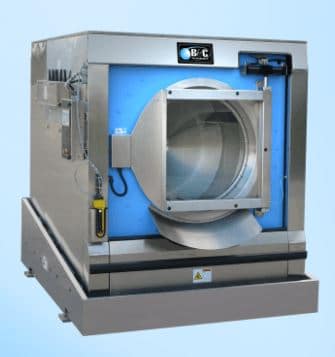
A hotel laundry room is more than a place to wash sheets and towels. It supports housekeeping schedules, room turnover, food and beverage operations, spa services, pool areas, and other departments that depend on a steady supply of clean linens. When laundry equipment does not match the workload, problems can move quickly from the laundry room into the rest of the property.
Selecting the right hotel laundry equipment means looking beyond individual machines. Washers, dryers, finishing equipment, utilities, available floor space, maintenance requirements, and expected linen volume all need to work together as part of one operating system.
For hotels in Florida, Gulf Coast Equipment Sales can help evaluate commercial laundry needs and identify equipment options suited to hospitality environments. The company’s existing B&C Technologies industrial and commercial laundry equipment offerings include washers, dryers, and flatwork equipment that can support different commercial laundry applications.
Hotel Laundry Equipment Has to Support the Entire Operation
Hotel laundry demand rarely stays perfectly even throughout the day. Housekeeping may return large volumes of sheets, pillowcases, towels, bath mats, and other linens within relatively short periods. Additional loads may come from restaurants, banquet spaces, spas, fitness areas, pools, or staff operations.
Because of this, selecting equipment based only on the capacity of one washer or dryer can create problems elsewhere in the process. The more useful question is whether the complete laundry system can handle the property’s actual workflow.
A hotel may need to consider:
- How much linen enters the laundry area during peak periods
- How quickly clean linen must return to housekeeping
- Whether washer and dryer capacity are properly balanced
- How linen moves between washing, drying, finishing, folding, and storage
- Whether staff spend unnecessary time waiting for machines
- How maintenance interruptions affect linen availability
- Whether the current system leaves room for future growth
A well-planned hotel laundry should keep work moving instead of creating queues at one stage while another stage sits idle.
This is why commercial laundry equipment decisions should begin with the operation itself. Equipment is most useful when it fits the property’s daily workload, staffing pattern, utility conditions, linen mix, and space.
Build the Equipment Mix Around the Linen Process
Hotels usually need more than a washer and dryer. The correct equipment mix depends on what the property processes in-house and how that linen is handled after washing.
Commercial Washers
Washers form the beginning of the processing cycle, but size alone should not drive the decision. Operators should consider the amount of linen moving through the property, the frequency of loads, available space, utility requirements, and the relationship between washing capacity and the next stage of production.
Too little washing capacity can create a backlog early in the process. Too much capacity without matching drying or finishing resources can simply move the bottleneck farther down the line.
For larger properties, multiple machines may also provide greater flexibility than relying entirely on one piece of equipment. The correct approach depends on the individual operation rather than a universal machine configuration.
Commercial Dryers
Drying capacity should be planned alongside washing capacity.
If washers process linen faster than dryers can handle it, carts of wet goods can begin to accumulate. If dryer capacity greatly exceeds the washing stage, equipment may remain underused.
Hotels should also consider what types of items regularly enter the dryers. Towels, bedding, uniforms, and specialty items can create different handling needs. Equipment selection should reflect the property’s actual linen mix instead of assuming every load behaves the same way.
Flatwork and Linen Finishing Equipment
Hotels processing sheets, pillowcases, table linens, or other flat goods may also need equipment that supports finishing and linen presentation.
Flatwork ironers and related finishing systems can become part of the workflow when a property processes significant quantities of flat linen in-house. B&C Technologies offers commercial and industrial laundry equipment as well as flatwork options relevant to these applications.
The purpose of adding finishing equipment should not be to make the laundry room more complicated. It should support an efficient path from soiled linen to clean, finished linen ready to return to service.
Match Equipment Decisions to Hotel Workflow
Two hotels with a similar number of rooms may still have very different laundry requirements.
A property with food and beverage operations, banquet facilities, a spa, or a large pool area can produce a different linen mix from a property that primarily processes room linens. Occupancy patterns, housekeeping schedules, staffing, storage practices, and decisions about what is processed in-house can also change equipment requirements.
Before selecting equipment, operators should consider how linen moves through the laundry room and where delays are most likely to occur. A mismatch between washing, drying, finishing, or storage capacity can slow production even when individual machines are operating normally.
Equipment placement also affects how efficiently staff can move linen through the process. The goal is to select equipment that supports the existing operation instead of creating new handling problems.
Hotels reviewing an existing laundry room should focus on recurring delays, equipment queues, and areas where production regularly slows. Those patterns can help identify whether the issue involves capacity, workflow, reliability, or a combination of factors.
Plan for Utilities, Space, Reliability, and Serviceability
Commercial laundry equipment operates within the limitations of the building around it.
Before equipment is selected, the hotel should understand the utilities and physical conditions available in the laundry area. Requirements vary by machine, so exact specifications should always be confirmed for the equipment under consideration.
Relevant planning questions may involve:
- Available electrical service
- Water supply and drainage
- Venting
- Gas or other energy requirements where applicable
- Equipment clearances
- Doorways and access paths
- Floor space
- Linen staging areas
- Service access around machines
A machine that looks suitable on paper may create complications if the facility cannot support its installation or if technicians cannot reasonably access important areas for maintenance.
Reliability should also be considered from an operational perspective. Hotel laundry equipment usually participates in a repeating production schedule. When a critical machine is unavailable, the effect may extend beyond the laundry department.
For that reason, buyers should think about serviceability before making a purchasing decision. Access to appropriate parts, routine maintenance planning, and the ability to address equipment issues are part of the long-term equipment picture.
Gulf Coast Equipment Sales maintains sales, service, and parts functions for the commercial equipment markets it serves. Hotel operators evaluating new equipment can discuss their specific operational needs with the Gulf Coast Equipment Sales team.
Evaluate the Laundry System as a Long-Term Business Asset
Hotel laundry equipment is expected to support repetitive daily work, so the purchasing decision should consider more than immediate replacement needs.
An older machine may still operate while creating limitations in another form. It may no longer align with the property’s workload, require increasing maintenance attention, or contribute to a mismatch between different stages of the laundry process.
Likewise, purchasing new equipment without considering future production needs can create another capacity problem later.
Useful planning questions include:
- Is the hotel maintaining enough laundry capacity during busy periods?
- Are washer and dryer stages reasonably balanced?
- Does current equipment support the types of linen being processed?
- Is equipment downtime regularly disrupting the workflow?
- Is the property expecting additional rooms or amenities?
- Will future linen volume change the demands placed on the laundry?
- Can current equipment be maintained without repeatedly interrupting production?
This does not mean every operational challenge requires replacement. Some issues may involve workflow, scheduling, maintenance, or equipment balance rather than a single failing machine.
The goal is to understand the cause of the limitation before deciding what equipment change makes sense.
That broader view helps hotels make equipment investments based on operational needs rather than simply reacting when an existing machine reaches the end of its useful role.
Choose Hotel Laundry Equipment With the Complete Operation in Mind
The strongest equipment plan is one in which washers, dryers, finishing equipment, utilities, staff, space, and linen flow support one another.
Hotels should avoid evaluating machines in isolation. The washer that appears ideal by itself may create too much work for the drying stage. A larger dryer may add little value if washing capacity remains the constraint. Additional finishing equipment may not solve delays caused earlier in the process.
Equipment selection should begin with questions about how the hotel actually operates.
How much linen must move? Where does work slow down? Which departments depend on the laundry? What happens during peak periods? What equipment must remain reliable to keep linen available? How might those demands change as the property grows?
Answering those questions creates a better foundation for comparing equipment options.
Gulf Coast Equipment Sales works with commercial laundry equipment used in Florida business environments and provides access to established laundry equipment brands such as B&C Technologies. Hotel operators considering a new laundry room, replacement equipment, or changes to an existing equipment mix can use professional equipment guidance to evaluate options within the context of their actual operation.
Discuss Your Hotel Laundry Equipment Needs
A hotel laundry system should support the property’s workflow rather than become the source of recurring production problems.
If you are planning equipment for a Florida hotel or reviewing an existing laundry operation, contact Gulf Coast Equipment Sales to discuss your equipment requirements, current workflow, and the types of linen your property processes.
Frequently Asked Questions
What equipment does a hotel laundry room typically need?
The equipment mix depends on the property’s workload and the types of linen processed in-house. Common categories can include commercial washers, dryers, and equipment for finishing or handling flat linens. Equipment should be selected as a coordinated system rather than as unrelated machines.
How should a hotel choose the right washer and dryer capacity?
Capacity decisions should begin with actual linen volume, peak production periods, operating schedules, available utilities, and the relationship between washing and drying stages. Exact machine capacities should be evaluated against the individual hotel’s requirements rather than selected from a general rule.
Why is workflow important when choosing hotel laundry equipment?
Equipment affects how linen moves from sorting through washing, drying, finishing, storage, and return to service. A capacity or layout problem at one stage can create waiting and handling problems elsewhere, so equipment should support the full linen process.
When should a hotel consider replacing laundry equipment?
Replacement may be worth evaluating when equipment reliability, recurring maintenance needs, limited capacity, or changing production requirements begin to interfere with operations. The decision should consider the complete laundry system rather than machine age alone.